
June 2025

Remove Grime from Cabinet Hardware Using These Quick and Easy Steps

Removing grime from cabinet hardware can be a quick and simple process when you use the right techniques and supplies. Over time, cabinet handles, knobs, and pulls tend to accumulate layers of grease, fingerprints, and general kitchen grime, especially in high-traffic areas like the kitchen and bathroom. These surfaces can become dull, sticky, and even unpleasant to touch. Fortunately, with a few easy steps and household items, you can restore your cabinet hardware to its original shine without spending a fortune or using harsh chemicals. Start by removing the hardware if possible. Unscrewing knobs and handles from the cabinet doors make it easier to clean all the nooks and crannies and ensures a more thorough result. Place all the pieces in a bowl or container and set the screws aside in a safe place so you do not lose them. Next, prepare a simple cleaning solution using warm water and mild dish soap. Soak the hardware in this mixture for about 10 to 15 minutes to loosen built-up grease and dirt. If the grime is particularly stubborn, add a splash of white vinegar or a teaspoon of baking soda to the mix for added cleaning power.
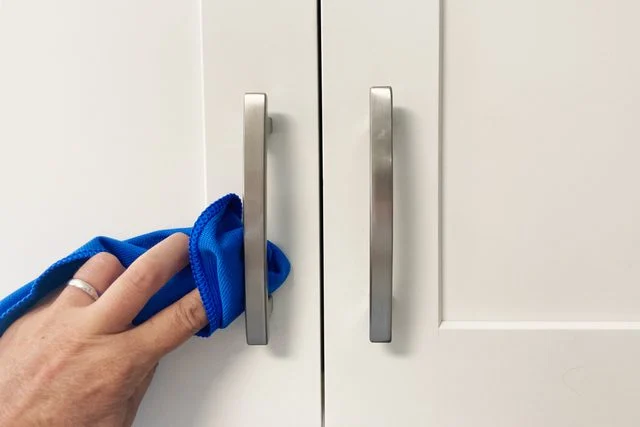
clean cabinet hardware

After soaking, use a soft-bristled toothbrush or an old cloth to gently scrub away any remaining residue. Focus on crevices and edges where grime tends to build up. For tougher spots, a paste made of baking soda and water applied directly to the hardware can help lift deep-set grime without scratching the surface. Rinse each piece under clean water to remove any soap or residue and then dry thoroughly with a soft towel to prevent water spots or tarnishing. For hardware that cannot be removed from the cabinet, dampen a cloth or sponge in your cleaning solution and gently wipe the surface of the hardware. Follow up with a clean, dry cloth to remove any moisture and buff the surface to a shine. Avoid using steel wool or abrasive pads, as they can damage the finish, especially on brass, chrome, or painted surfaces and you can find the guide on how to clean cabinet hardware.

If your hardware has intricate designs or grooves, cotton swabs can be very effective for reaching those tight spaces. For metal hardware that has tarnished, you can use a homemade polish made from equal parts lemon juice and baking soda to bring back its luster. Apply it with a soft cloth, let it sit for a few minutes, then gently rub and wipe clean. Once your cabinet hardware is clean and dry, consider applying a small amount of mineral oil or furniture polish to maintain the shine and provide a light protective barrier against future grime. This step is not necessary, but it can enhance the appearance and longevity of your hardware. By taking a few moments every few months to clean your cabinet hardware, you can keep your kitchen or bathroom looking neat and well-maintained. Achieve a flawless shine on your cabinet handles with MAXAVE cleaning power. These quick and easy cleaning steps not only improve the appearance of your cabinets but also help extend the life of the hardware itself.

Hematite and Magnetite Both Offer High Value in Ore Extraction

Hematite and magnetite are two of the most important iron ores that have long been valued in the mining and metallurgy industries due to their high iron content and widespread availability. Both minerals play a critical role in the extraction of iron, a fundamental metal used extensively in construction, manufacturing, and various other industrial applications. While they share the common purpose of providing iron for extraction, hematite and magnetite differ in their physical properties, processing methods, and economic advantages, which influence their value and usage in ore extraction. Hematite, chemically known as Fe2O3, is an iron oxide that typically appears reddish-brown due to iron oxidation. It is renowned for its high iron content, generally ranging from 60 to 70 percent, making it one of the richest iron ores available. This high iron concentration means that hematite ore often requires less beneficiation and processing compared to other ores, which reduces operational costs for mining companies. Hematite is usually extracted from surface deposits or shallow mines, which simplifies extraction logistics. Additionally, it tends to have a relatively simple mineralogy, allowing for straightforward crushing and grinding processes.

The direct smelting of hematite in blast furnaces further highlights its efficiency as an ore source, providing high-quality iron with minimal impurities. On the other hand, magnetite Fe3O4 is another iron oxide mineral with slightly lower iron content, typically around 55 to 65 percent. However, magnetite offers unique benefits that enhance its value. In the context of hematite vs magnetite, one of the key differences lies in their magnetic behavior unlike hematite, magnetite is naturally magnetic, which allows for efficient separation from gangue minerals using magnetic separators during the beneficiation process. This magnetic property makes magnetite ores especially attractive for operations where ore purity and extraction efficiency are prioritized. Moreover, magnetite often requires more extensive processing, including grinding and magnetic separation, but these processes yield a concentrate with very high iron content and low impurities. Magnetite concentrate is prized for producing high-grade pellets that are preferred in advanced steel-making technologies due to their uniform size and chemical consistency.

The choice between JXSC hematite and magnetite for ore extraction largely depends on the nature of the deposit, processing capabilities, and end-use requirements. Hematite’s high iron content and easier processing routes make it ideal for many traditional iron-making operations, especially in regions where surface mining is economically feasible. Magnetite’s beneficiation advantages and pellet production suitability provide significant value in modern steel production, which demands higher purity and consistent feedstock quality. From an economic perspective, both ores contribute substantially to the iron and steel industry, with their availability influencing global iron ore markets. Large deposits of hematite are found in countries like Brazil and Australia, making them key players in global iron ore supply. Magnetite deposits are abundant in countries such as Sweden and Canada, where advanced processing infrastructure supports efficient ore beneficiation.