
April 2026

Understanding Bumper Design in Modern Automotive Engineering

Modern automotive engineering places significant focus on bumper design as a key element of safety, functionality, and aesthetics. Bumpers are no longer simple external parts; they are carefully engineered systems designed to absorb impact, reduce damage, and enhance vehicle efficiency. With advancements in materials and structural design, bumpers now contribute to overall performance while maintaining sleek styling. Their development reflects a strong commitment to passenger safety, pedestrian protection, and improved driving experience.

Key Functional Aspects in Bumper Engineering

  • Impact absorption systems: modern bumpers are designed to reduce collision force and protect internal components, enhancing overall vehicle safety and durability.
  • Lightweight construction materials: advanced engineering uses materials that reduce weight while maintaining strength, improving fuel efficiency and handling stability.
  • Aerodynamic shaping: streamlined bumper designs help reduce air resistance, supporting smoother movement and better efficiency.
  • Integrated sensor support: bumpers are designed to accommodate sensors that assist with parking, collision detection, and smart driving features.

Safety and Structural Innovation in Modern Bumper Systems

Bumper engineering has evolved to prioritize occupant protection and structural integrity through advanced design strategies that distribute force efficiently and minimize damage during impact events. The collection available at https://sunwayautoparts.com/product-category/bumper/ offers great choices for improving car safety and durability.

  • Energy absorption zones are engineered into bumper structures to manage crash forces and reduce stress transfer to the cabin area.
  • Reinforced support beams provide structural stability while maintaining controlled deformation for improved safety performance.
  • Advanced simulation techniques assist engineers in optimizing bumper geometry for better impact response and enhanced reliability.

Design and Aesthetic Integration in Bumper Engineering

Bumper design plays an important role in blending safety with visual appeal; ensuring vehicles maintain a balanced and attractive appearance without compromising functionality.

  • Smooth contouring techniques create visually appealing surfaces that also improve airflow and reduce turbulence.
  • Seamless integration with vehicle body lines enhances overall harmony and contributes to a unified design language.
  • Material finishing options allow for refined textures that elevate premium appearance while maintaining durability.

Future Outlook of Bumper Engineering

Bumper engineering continues to progress toward smarter, more efficient, and highly adaptive systems that align with evolving automotive expectations. Designers are focusing on integrating advanced materials and intelligent structures that respond better to impact conditions. These improvements aim to enhance protection, reduce environmental impact through efficiency, and deliver a more refined driving experience for all vehicle users.

  • Adaptive cushioning systems adjust their response based on impact intensity improving safety outcomes.
  • Eco friendly engineering approaches support sustainable material usage and efficient manufacturing practices.

This evolution highlights a commitment to innovation, safety, and overall driving satisfaction. Overall bumper design serves as a crucial element in modern automotive engineering by balancing safety, performance, and aesthetics in a unified system that supports both drivers and pedestrians. It reflects continuous improvement in engineering standards, ensuring vehicles remain safer, more efficient, and visually refined while meeting the expectations of modern mobility solutions. Such advancements continue to strengthen the role of bumper systems as essential components in delivering comfort, confidence, and enhanced driving performance across all types of vehicles. Overall it represents a harmonious blend of safety engineering, innovation, and design excellence in modern automotive development.
Panel lock technology ensures dependable locking in control cabinets

Panel lock technology plays a crucial role in modern industrial infrastructure by providing secure and reliable enclosure protection for electrical and mechanical control systems. It ensures that unauthorized access is prevented while maintaining smooth operational efficiency.

Key Features of Panel Lock Technology

Strong and durable construction materials ensure long lasting performance even in demanding environments
Advanced locking mechanisms provide enhanced resistance against tampering and accidental opening
Precision engineered components support smooth operation and consistent alignment
Corrosion resistant finishes improve durability in humid or industrial settings
Easy integration with various control cabinet designs allows flexible installation

Working Principle of Panel Lock Systems

Panel lock systems operate through mechanical or semi automated locking actions that secure cabinet doors firmly in place The locking mechanism engages with precision ensuring stable closure and preventing unintended access. Control panels commonly feature panel lock for restricted entry systems.

Benefits of Panel Lock Technology

One of the primary benefits is improved safety as secure locking reduces risk of electrical hazards It also enhances operational reliability by protecting sensitive components from external interference Additionally it supports efficient maintenance workflows by allowing controlled access

Enhanced security protocols integrated into modern locking systems help reduce operational risks in high voltage environments Furthermore ergonomic design considerations ensure ease of use for technicians during inspection and maintenance procedures Modular compatibility allows panel lock systems to be adapted across different cabinet sizes and configurations Smart alignment features improve sealing accuracy and reduce wear over time This contributes to extended service life of control cabinet infrastructure In addition consistent locking force distribution minimizes mechanical stress on hinges and door frames This results in reduced maintenance costs and improved system uptime Safety compliance requirements are effectively supported through reliable enclosure locking mechanisms These systems help organizations meet industrial safety standards and operational guidelines The integration of high precision locking technology also supports better environmental protection by sealing control cabinets against dust and moisture This is particularly beneficial in harsh industrial zones where equipment longevity is critical Overall panel lock technology represents a vital component in modern electrical and automation infrastructure Continuous innovation in locking systems ensures improved resistance against wear vibration and operational fatigue This enhances long term performance stability across demanding industrial applications With increasing automation demands panel lock technologies play a key role in ensuring uninterrupted system protection They also contribute to streamlined workflow efficiency in control room environments As industries evolve the importance of secure enclosure systems continues to grow significantly Ultimately dependable panel lock technology ensures safety efficiency and operational excellence across industrial control systems


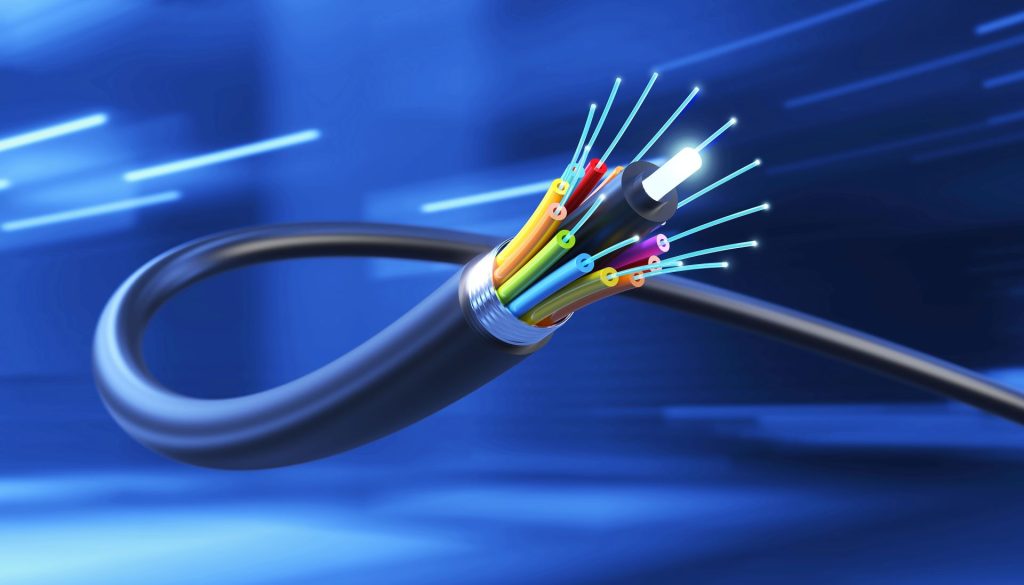
Ensure High-Speed Data Transfer With Premium สายไฟเบอร์ออฟติก

For seamless connectivity and maximum performance, premium fiber optic cables are the backbone of modern data transfer. They provide unmatched speed, reliability, and efficiency, making them an essential component for both professional and personal networks. Investing in high-quality fiber optic solutions ensures consistent data transmission with minimal interruptions.

Superior Speed and Bandwidth

Fiber optic cables excel at transmitting large volumes of data over long distances with virtually no loss in quality. Reliable connectivity and speed make สายไฟเบอร์ออฟติก essential for high-performance networking and data transfer solutions.

  • Uninterrupted high-speed performance: Enjoy smooth streaming, rapid downloads, and real-time communication.
  • Large bandwidth capacity: Support multiple devices simultaneously without affecting overall network performance.
  • Future-ready infrastructure: Accommodate increasing data demands without the need for frequent upgrades.

Reliability and Signal Integrity

Fiber optic cable

Premium fiber optic cables maintain strong signal integrity, reducing the risk of data errors and interruptions.

  • Resistance to electromagnetic interference: Fiber optics are immune to external electrical noise, ensuring clear and stable transmissions.
  • Durable and long-lasting: Built to withstand environmental stresses, they offer a reliable solution for long-term use.
  • Consistent connectivity: Experience fewer disconnections and higher overall network stability.

Enhanced Security for Sensitive Data

Data transmitted via fiber optics is more secure than traditional copper cabling, making it ideal for sensitive information.

  • Difficult to tap or intercept: The physical nature of fiber optic signals enhances privacy and reduces security risks.
  • Secure transmission over long distances: Protects critical data whether for business or personal use.
  • Peace of mind: Enjoy confident, worry-free communication and file sharing.

Easy Integration and Flexibility

Modern fiber optic cables are designed for versatile deployment across various network setups.

  • Simple installation: Streamlined design reduces setup time and complexity.
  • Flexible configurations: Support diverse networking needs, from home setups to large-scale enterprise systems.
  • Scalable solutions: Expand network capacity easily as data demands grow.

Low Maintenance and Cost Efficiency

While premium fiber optic cables may involve a higher initial investment, they save time and money over the long term.

  • Minimal upkeep required: High durability reduces the need for frequent replacements.
  • Energy-efficient operation: Lower signal loss means less power consumption for network devices.
  • Long-term savings: Reduced downtime and maintenance costs maximize overall value.

Conclusion

Investing in premium fiber optic cables guarantees high-speed, reliable, and secure data transfer. Their superior performance, robust reliability, and future-ready design make them a smart choice for anyone seeking a seamless digital experience. From handling massive amounts of data to supporting secure communication, fiber optic technology ensures efficiency and excellence in all networking environments.

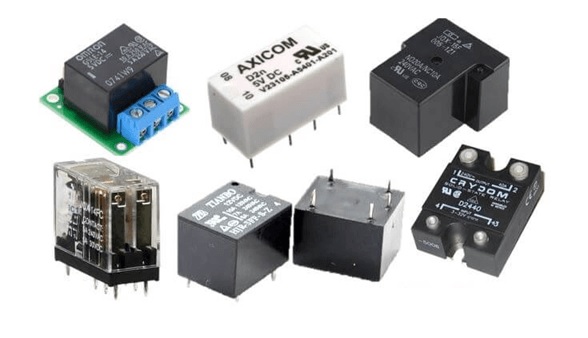
Choosing the right relay types improves system longevity and reliability

Selecting the appropriate relay type is a cornerstone of designing reliable and long-lasting electrical and automation systems. Understanding the strengths, limitations, and applications of different relays not only enhances performance but also reduces maintenance costs and operational risks.

Understanding Relay Types

Relays are electromechanical or solid-state devices that control circuits by opening and closing contacts. Their choice depends on system requirements, load characteristics, and environmental conditions. Students explore relay types for automation understanding. Key types include:

  • Electromechanical Relays (EMR) – Durable for standard switching needs, ideal for moderate current and voltage applications.
  • Solid-State Relays (SSR) – Provide silent operation, rapid switching, and long life due to the absence of mechanical contacts.
  • Time-Delay Relays – Introduce controlled delays in switching, useful for sequential operations and protection mechanisms.
  • Reed Relays – Compact, fast-switching, and energy-efficient, suitable for low-current, high-speed circuits.

Understanding the characteristics of these relays ensures that engineers can select the most suitable option for each application.

Enhancing System Longevity

Using the correct relay type directly impacts system lifespan:

  • Reduced Wear and Tear – Solid-state relays minimize mechanical contact degradation, extending service intervals.
  • Optimized Load Handling – Matching relay ratings with load specifications prevents overheating and premature failure.
  • Consistent Performance – Proper relay selection ensures stable operation, reducing stress on other system components.
  • Environmental Resilience – Choosing relays designed for specific conditions (temperature, vibration, humidity) enhances durability.

Prioritizing longevity through thoughtful relay selection decreases downtime and boosts overall system efficiency.

Improving Reliability and Safety

Reliability in electrical systems is crucial for operational continuity and safety:

  • Precise Switching – Solid-state relays offer rapid and accurate switching, improving process consistency.
  • Fault Mitigation – Time-delay relays can prevent electrical surges or sequence errors that may damage equipment.
  • Reduced Maintenance Frequency – Durable relay types reduce intervention needs, lowering the chance of human error.
  • Predictable System Behavior – Reliable relays ensure that automated processes operate as intended under varying conditions.

These factors collectively increase confidence in system performance and safety.

Best Practices for Relay Selection

To maximize benefits, engineers should follow these best practices:

  • Evaluate the current and voltage requirements of the circuit carefully.
  • Consider operational frequency and switching speed needs.
  • Assess environmental factors such as temperature, humidity, and vibration.
  • Incorporate redundancy or backup relays for critical systems.
  • Periodically review system performance and adjust relay types if conditions change.

Conclusion

Choosing the right relay type is more than a technical decision; it is a strategic investment in system longevity, reliability, and efficiency. By understanding relay characteristics, matching them to application needs, and following best practices, engineers can create systems that operate smoothly, safely, and with minimal interruptions. Thoughtful relay selection reduces maintenance demands, prevents equipment failure, and ensures consistent performance, making it a cornerstone of modern electrical and automation design.