

Selecting the appropriate relay type is a cornerstone of designing reliable and long-lasting electrical and automation systems. Understanding the strengths, limitations, and applications of different relays not only enhances performance but also reduces maintenance costs and operational risks.
Understanding Relay Types
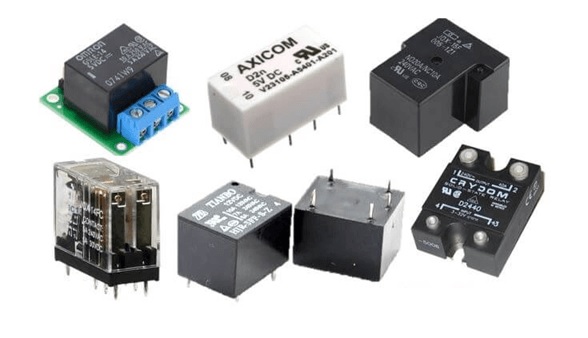
Relays are electromechanical or solid-state devices that control circuits by opening and closing contacts. Their choice depends on system requirements, load characteristics, and environmental conditions. Students explore relay types for automation understanding. Key types include:
- Electromechanical Relays (EMR) – Durable for standard switching needs, ideal for moderate current and voltage applications.
- Solid-State Relays (SSR) – Provide silent operation, rapid switching, and long life due to the absence of mechanical contacts.
- Time-Delay Relays – Introduce controlled delays in switching, useful for sequential operations and protection mechanisms.
- Reed Relays – Compact, fast-switching, and energy-efficient, suitable for low-current, high-speed circuits.
Understanding the characteristics of these relays ensures that engineers can select the most suitable option for each application.
Enhancing System Longevity
Using the correct relay type directly impacts system lifespan:
- Reduced Wear and Tear – Solid-state relays minimize mechanical contact degradation, extending service intervals.
- Optimized Load Handling – Matching relay ratings with load specifications prevents overheating and premature failure.
- Consistent Performance – Proper relay selection ensures stable operation, reducing stress on other system components.
- Environmental Resilience – Choosing relays designed for specific conditions (temperature, vibration, humidity) enhances durability.
Prioritizing longevity through thoughtful relay selection decreases downtime and boosts overall system efficiency.
Improving Reliability and Safety
Reliability in electrical systems is crucial for operational continuity and safety:
- Precise Switching – Solid-state relays offer rapid and accurate switching, improving process consistency.
- Fault Mitigation – Time-delay relays can prevent electrical surges or sequence errors that may damage equipment.
- Reduced Maintenance Frequency – Durable relay types reduce intervention needs, lowering the chance of human error.
- Predictable System Behavior – Reliable relays ensure that automated processes operate as intended under varying conditions.
These factors collectively increase confidence in system performance and safety.
Best Practices for Relay Selection
To maximize benefits, engineers should follow these best practices:
- Evaluate the current and voltage requirements of the circuit carefully.
- Consider operational frequency and switching speed needs.
- Assess environmental factors such as temperature, humidity, and vibration.
- Incorporate redundancy or backup relays for critical systems.
- Periodically review system performance and adjust relay types if conditions change.
Conclusion
Choosing the right relay type is more than a technical decision; it is a strategic investment in system longevity, reliability, and efficiency. By understanding relay characteristics, matching them to application needs, and following best practices, engineers can create systems that operate smoothly, safely, and with minimal interruptions. Thoughtful relay selection reduces maintenance demands, prevents equipment failure, and ensures consistent performance, making it a cornerstone of modern electrical and automation design.