

Electronic devices are essential for work, entertainment, and daily life, but they are vulnerable to sudden power surges and electrical fluctuations. Even a brief spike in voltage can damage sensitive components, shorten device lifespan, or cause complete failure. Using a surge protector provides an effective and affordable way to safeguard your devices. By absorbing excess voltage and preventing it from reaching connected electronics, surge protectors protect both small gadgets and major home appliances. Investing in a quality surge protector ensures long-term device health and reduces unexpected repair costs while offering peace of mind.
Why Surge Protectors Matter
Power surges can happen due to lightning, faulty wiring, or sudden shifts in electricity supply. Without protection, electronics are exposed to risks such as:
- Shortened Device Lifespan: Frequent voltage spikes weaken internal components over time.
- Permanent Damage: High voltage surges can destroy sensitive devices instantly.
- Data Loss: Computers and storage devices are particularly vulnerable to power fluctuations.
Key Benefits of Using a Surge Protector
Surge protectors do more than just prevent immediate damage. Knowledge of the surge arrester symbol helps in planning effective protection for sensitive electronic equipment. They provide ongoing advantages that contribute to overall device health:
- Voltage Regulation: Absorbs excess voltage before it reaches connected devices.
- Multiple Device Protection: Offers several outlets for simultaneous device safety.
- Cost Savings: Minimizes the risk of expensive repairs or replacements.
- Peace of Mind: Reduces worry about electrical damage during storms or power inconsistencies.
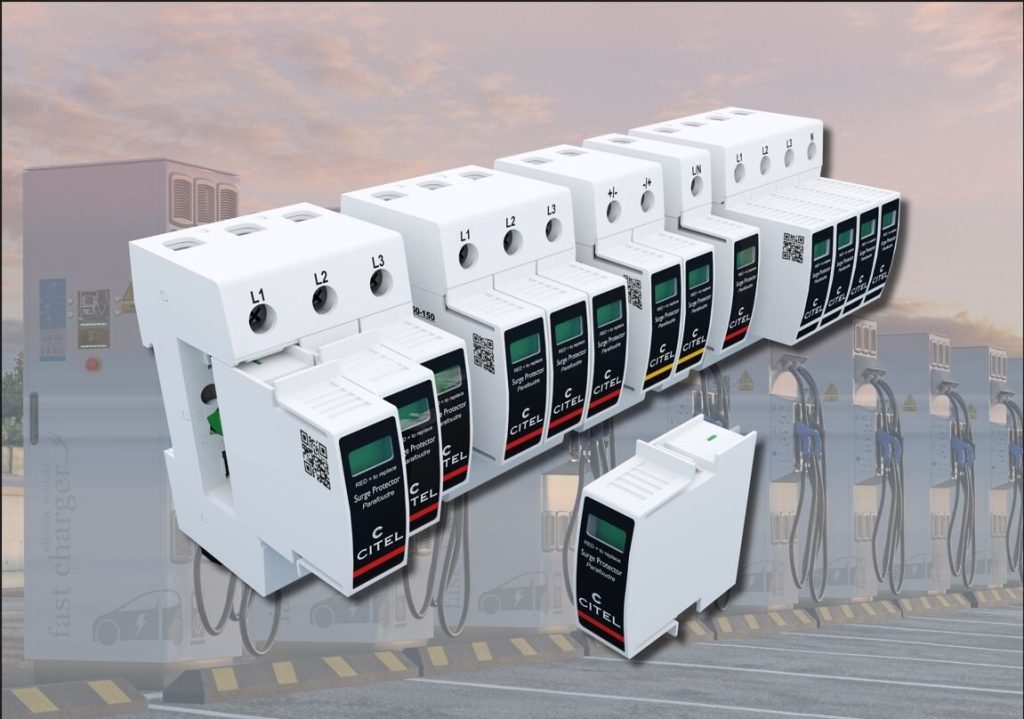
How to Choose the Right Surge Protector
Selecting the right surge protector ensures maximum protection for your devices. Consider these essential factors:
- Joule Rating: Higher joule ratings indicate stronger energy absorption and better protection.
- Clamping Voltage: A lower clamping voltage allows the protector to respond faster to surges.
- Number of Outlets: Ensure enough outlets for all devices without overloading.
- Indicator Lights: Signals if the surge protector is functioning properly.
Additional Features for Long-Term Protection
Modern surge protectors often include features that enhance device longevity:
- Automatic Shutoff: Disconnects devices when surges exceed safe limits.
- Noise Filtering: Reduces electromagnetic interference for stable device performance.
- Fire-Resistant Construction: Adds safety in case of electrical faults.
- Equipment Coverage: Some surge protectors include protection plans for connected devices.
Tips for Maintaining Your Surge Protector
To ensure ongoing protection and device health:
- Avoid connecting too many high-power devices simultaneously.
- Replace surge protectors after significant power events.
- Keep units away from moisture, heat, and direct sunlight.
- Check indicator lights regularly to confirm proper operation.
Conclusion
A surge protector is a small device with a big impact. It safeguards electronics from sudden voltage spikes, extends the life of devices, and helps prevent costly damage. Studying surge protection device working principle helps in choosing the right device for home, office, or industrial applications. Choosing a surge protector with the right features, including a high joule rating, multiple outlets, and advanced safety mechanisms, ensures long-term protection and device health. By using a surge protector, you take a simple yet effective step toward preserving the performance and longevity of your electronics.