

Search optimization is evolving with the integration of artificial intelligence AI. Businesses and content creators are now able to improve the way their content ranks on search engines while reducing manual effort. AI analyzes large volumes of data, identifies patterns, and delivers actionable insights that guide decision-making. This results in more accurate targeting of audiences, better keyword strategies, and improved content relevance. By automating repetitive tasks, AI allows professionals to focus on strategic planning, creativity, and long-term growth, ultimately making search optimization more efficient and effective.
How AI Enhances Efficiency in Search Optimization
AI streamlines many processes in search optimization that traditionally required significant time and human effort:
- Automated Keyword Research: AI tools quickly identify high-performing keywords and phrases based on search volume, competition, and user intent.
- Content Suggestions: AI generates topic ideas and outlines that match audience interests and search trends.
- Performance Tracking: AI can monitor rankings, traffic, and engagement metrics in real time, reducing the need for manual reporting.
- Task Automation: Routine SEO tasks like meta tag creation, internal linking suggestions, and site audits can be handled automatically.
- Predictive Analysis: AI predicts which strategies are likely to yield better results, allowing quicker adjustments without trial-and-error delays.
By reducing manual workload, AI enables SEO teams to focus on higher-level strategies that drive measurable results click here https://paintpulse.co.uk/the-future-of-search-optimization-in-the-age-of-ai/.
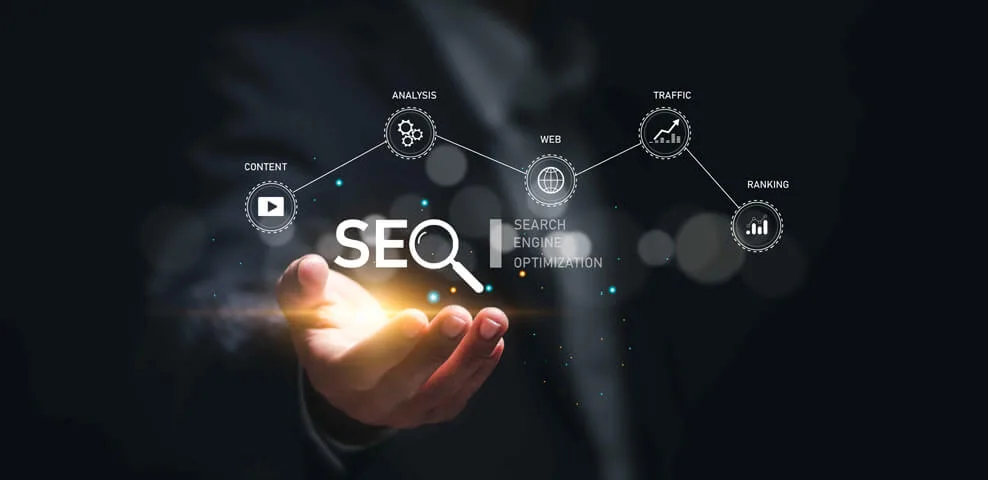
Improving Accuracy with AI in Search Optimization
Accuracy is critical in SEO, as minor mistakes can impact rankings and visibility. AI improves precision in multiple areas:
- User Intent Understanding: AI interprets search queries more effectively, ensuring content aligns with what users are actually seeking.
- Semantic Search Optimization: AI evaluates context and meaning behind keywords rather than focusing solely on exact matches.
- Content Quality Assessment: AI algorithms can assess readability, relevance, and structure to recommend improvements.
- Error Detection: Technical issues like broken links, slow-loading pages, or duplicate content are identified quickly.
- Algorithm Adaptation: AI can adjust strategies based on evolving search engine algorithms, reducing the risk of outdated optimization methods.
These capabilities help maintain high standards in content optimization, minimizing errors while maximizing visibility.
Benefits Beyond Efficiency and Accuracy
AI also enhances the overall strategy and decision-making process:
- Better ROI: Automated insights lead to more effective campaigns with lower resource expenditure.
- Enhanced Personalization: AI helps target content to specific audience segments based on behavior and preferences.
- Faster Adaptation: Businesses can respond to trends and search engine updates rapidly.
- Scalability: AI makes it easier to manage large websites or multiple campaigns simultaneously.
Conclusion
Artificial intelligence is transforming search optimization by combining efficiency with accuracy. Automated tools and predictive insights reduce manual effort while improving precision in keyword selection, content creation, and technical SEO. By understanding user intent and adapting to changing algorithms, AI enables professionals to implement smarter strategies, achieve higher rankings, and maximize ROI. Incorporating AI in search optimization is no longer optional; it has become an essential approach for those aiming to improve performance while minimizing errors and wasted effort.