

Automated CNC systems have revolutionized the manufacturing industry by significantly streamlining workflow and saving valuable time compared to traditional manual machining processes. These computer numerical control machines operate with precision and efficiency, eliminating many of the limitations and inefficiencies inherent in manual machining. One of the most notable advantages of automated CNC systems is their ability to maintain consistent accuracy and repeatability, which manual machining often struggles to achieve due to human error or fatigue. This consistency not only improves the quality of the finished products but also reduces material waste, saving costs and resources. The integration of automation in machining allows for faster production rates. CNC machines can operate continuously with minimal supervision, unlike manual machining that requires constant operator attention and intervention. This enables manufacturers to run machines for longer hours, including overnight shifts, without compromising safety or product quality. The result is a dramatic increase in output and a reduction in lead times, which can be crucial for meeting tight deadlines or handling large volume orders.
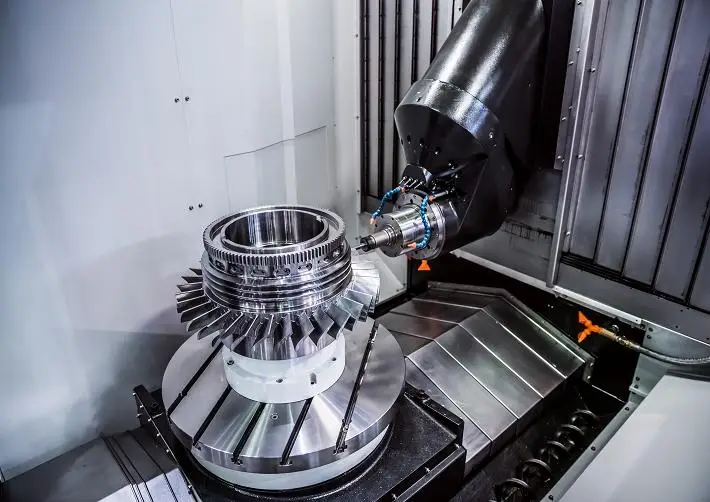
Automated CNC systems also simplify complex machining tasks. Manual machining requires skilled operators to carefully set up tools, measure parts, and make adjustments throughout the process. In contrast, CNC machines follow programmed instructions precisely, enabling them to produce intricate designs and complicated geometries that would be difficult or impossible to achieve manually. This capability expands the scope of manufacturing possibilities, allowing companies to innovate and offer more sophisticated products. Another benefit is the reduction in labor costs and operator dependency. While cnc vs manual machining require skilled programmers and technicians for setup and maintenance, they do not need continuous manual input once running. This shift frees up workers to focus on higher-level tasks such as quality control, programming, and system optimization. Moreover, automated systems reduce the risk of repetitive strain injuries common in manual machining, contributing to a safer work environment. The digital nature of CNC programming allows for quick changes and easy replication of parts. Once a program is created, it can be stored and reused indefinitely, ensuring uniformity across multiple production runs.
This capability is particularly advantageous for industries requiring high precision and standardized products. Additionally, Uneed CNC machines can quickly switch between different jobs with minimal downtime, providing flexibility in production schedules and reducing the need for multiple specialized machines. Furthermore, automated CNC systems often come with advanced monitoring and diagnostic tools that help detect issues before they cause major disruptions. Real-time feedback and error detection allow operators to intervene promptly, minimizing downtime and maintaining continuous workflow. This proactive approach to maintenance and quality assurance contrasts with manual machining, where problems may go unnoticed until the final inspection stage, leading to costly rework or scrapped parts. In summary, automated CNC systems have transformed machining by offering faster production, improved precision, enhanced safety, and greater flexibility. These advantages combine to streamline workflow and save significant time compared to manual machining methods. As technology continues to advance, CNC systems are becoming increasingly sophisticated, further enhancing their ability to meet the demanding needs of modern manufacturing.